
Explore small-ship cruises, expedition voyages, and diving liveaboards. Discover specialty sailings, marine wildlife, and tips for choosing your adventure.
Cruising has long been associated with enormous ships, crowded entertainment decks, elaborate buffets, and scheduled stops at popular ports. While these experiences appeal to many travelers, growing interest in more personal, immersive journeys has opened the door to new ways of exploring the ocean.
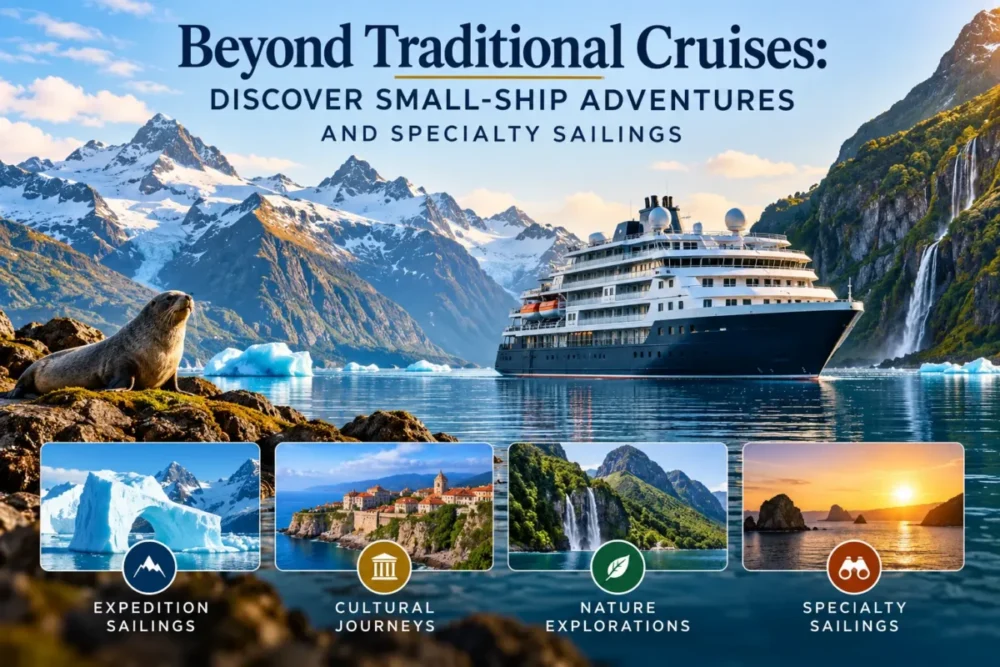
Small-ship cruises and specialty sailings offer an alternative to conventional cruise vacations. Rather than focusing on elaborate onboard entertainment and crowded ports, these journeys emphasize natural surroundings, unique activities, and meaningful experiences at sea.
From intimate expedition vessels to diving-focused liveaboards, travelers can choose a style of ocean exploration that better matches their interests. For those who value marine wildlife, remote islands, and time spent in the water, these alternatives can provide a memorable change from traditional cruising.
Why Choose Small-Ship Cruises Over Larger Ships?
Traditional cruise ships are designed to accommodate thousands of passengers and offer a wide range of restaurants, entertainment venues, swimming pools, and recreational facilities. However, not every traveler wants a vacation centered around a floating resort.
Some prefer quieter surroundings, smaller groups, and opportunities to explore destinations beyond busy tourist routes.
Specialty sailings respond to these preferences by offering experiences built around particular interests. Rather than trying to provide something for everyone, they focus on specific activities, destinations, or types of exploration.
The appeal often comes down to several factors:
- Smaller passenger groups and a more relaxed atmosphere
- Greater emphasis on outdoor activities and local environments
- Opportunities to visit less accessible coastal locations
- Itineraries designed around wildlife, diving, or cultural experiences
- More interaction with guides, crew members, and fellow travelers
These differences make alternative cruises particularly appealing to adventurous travelers who prioritize experiences over luxury amenities.
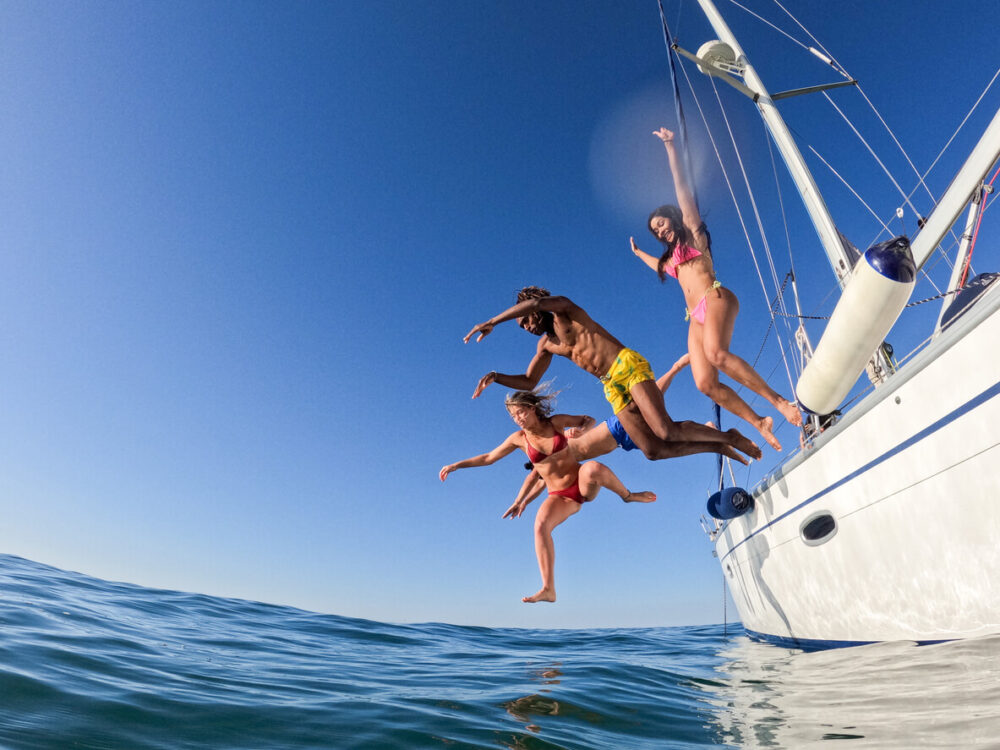
On a small ship cruise in Croatia, the Adriatic Sea becomes your swimming pool. Photo by Adrea Migliarini via iStock by Getty Images
What Makes Small-Ship Cruising Different?
Small-ship cruising offers an experience that differs significantly from traveling aboard a large ocean liner.
These vessels generally carry fewer passengers and may access locations that larger ships cannot easily reach. Depending on the destination, travelers might explore secluded bays, remote islands, narrow waterways, or protected coastal environments.
The atmosphere is often more informal, with fewer onboard distractions and greater attention to the surrounding landscape.
Small-ship journeys can take several forms, including coastal exploration cruises, expedition voyages, wildlife-focused trips, and sailing adventures.
For example, an expedition vessel might travel through remote island chains while offering guided excursions. A coastal sailing trip could focus on quiet anchorages and traditional maritime experiences.
Although accommodations and amenities vary between operators, the defining attraction is often the destination itself rather than the ship.
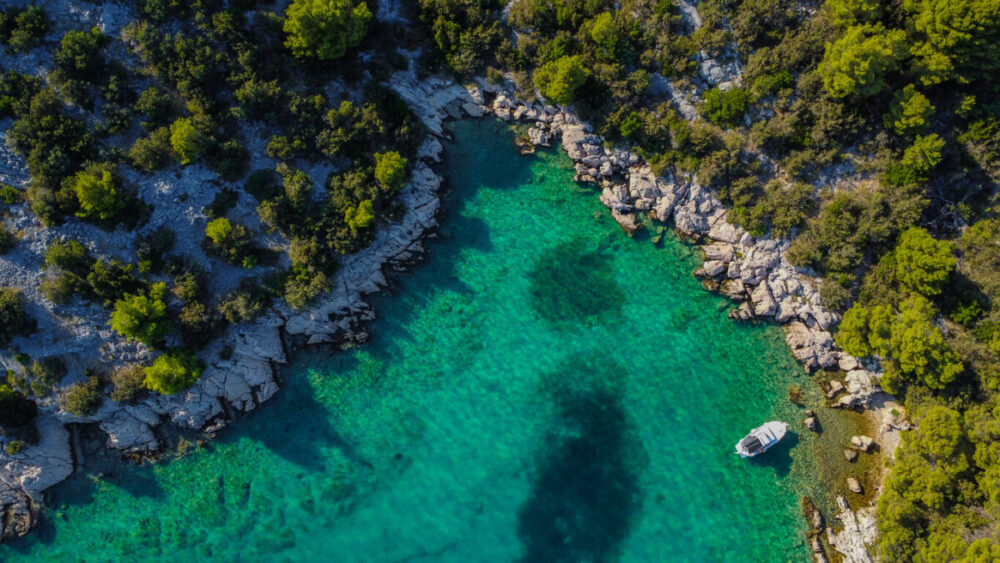
Small ship cruising can get you into hidden coves and give you a chance to experience places you can’t visit on a large cruise ship. Photo by Aleksa Bozovic via iStock by Getty Images
Liveaboard Adventures: When the Ocean Becomes the Destination
Liveaboard trips are among the most distinctive alternatives to conventional cruising.
A liveaboard is a vessel where passengers stay overnight while traveling between locations, often with an itinerary centered on diving, snorkeling, or marine exploration.
Unlike traditional cruises that often emphasize port visits, liveaboards let travelers spend extended periods near reefs, islands, and offshore sites.
Destinations such as the Maldives are particularly suited to this type of experience because their geography includes numerous atolls, coral reefs, and marine ecosystems spread across a large ocean area.
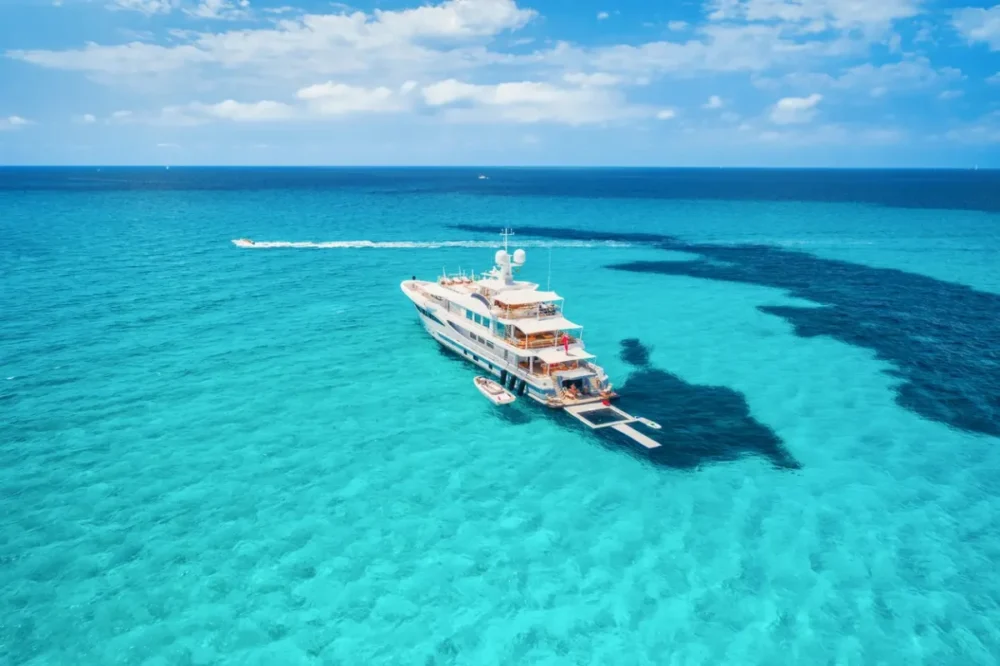
Small-ship cruising in the Maldives lets you explore atolls, coral reefs, and marine ecosystems. Photo by den-belitsky via iStock by Getty Images
Operators such as Spirit Liveaboards offer itineraries for travelers considering a Maldives liveaboard, giving them more time at sea while exploring different marine environments throughout the journey.
Instead of returning to a hotel after each excursion, guests remain aboard while the vessel moves between suitable locations.
Daily schedules may include guided dives, snorkeling sessions, meals, relaxation, and opportunities to observe the surrounding seascape.
This approach can appeal to experienced divers, underwater photographers, and ocean enthusiasts who want their entire vacation to revolve around marine exploration.
Marine Wildlife and Underwater Adventures
One of the most exciting aspects of a wildlife-focused sailing is the opportunity to encounter marine life in its natural environment.
Unlike a conventional sightseeing cruise, where passengers may primarily observe coastal scenery from the deck, specialty voyages often bring travelers closer to underwater ecosystems through guided activities.
Depending on the destination, season, environmental conditions, and itinerary, possible sightings include reef fish, sea turtles, rays, reef sharks, and colorful coral formations.
In the Maldives, whale sharks are among the marine animals that attract particular interest. These enormous, filter-feeding fish inhabit tropical waters and are known for their distinctive spotted patterns.
For travelers interested in swimming with whale sharks, a marine-focused journey can provide opportunities to learn about these animals and potentially observe them in the wild under appropriate conditions.
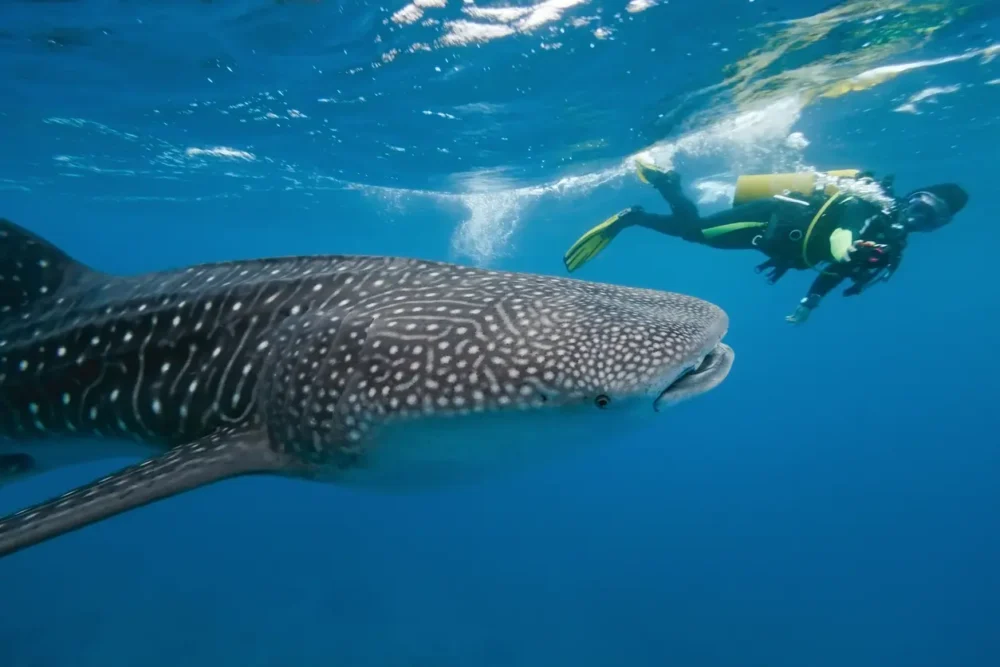
In warm waters, such as the Maldives, swimming with whale sharks is a treat for underwater enthusiasts and photographers. Photo by crisod via iStock by Getty Images
However, wildlife encounters are never guaranteed. Ocean conditions, animal movements, and local regulations all influence what visitors may experience.
Responsible operators should prioritize respectful wildlife viewing, maintain appropriate distances, avoid touching or chasing animals, and follow applicable marine protection guidelines.
Beyond encounters with larger marine species, underwater landscapes themselves can be remarkable. Coral gardens, reef slopes, channels, and diverse fish communities offer opportunities for exploration and photography. For many passengers, these experiences become the highlights of the entire journey.
Specialty Sailings for Different Travel Interests
Not every alternative cruise focuses on scuba diving. The specialty sailing category includes several distinct experiences that appeal to different types of travelers.
- Wildlife observation voyages focus on opportunities to see animals such as whales, dolphins, seabirds, and other marine species. These journeys may include educational presentations and guided observation sessions.
- Adventure sailing trips emphasize hands-on exploration, island visits, snorkeling, kayaking, or other outdoor activities. Some also introduce passengers to basic sailing practices.
- Cultural and heritage cruises explore coastal communities, historic ports, traditional fishing villages, and regional maritime history.
- Photography expeditions are planned around scenic locations, natural lighting conditions, and opportunities to capture landscapes or wildlife.
- Diving liveaboards prioritize access to underwater sites, often letting qualified divers explore several locations in a single trip.
Each format offers a different balance of comfort, adventure, education, and physical activity. The right choice depends on personal interests, not simply on selecting the most luxurious vessel.

Many different styles of small-ship cruising exist. Photo by Jelena990 via iStock by Getty Images
What to Expect Aboard a Small Ship
Life aboard a small ship tends to follow a different rhythm than on a large cruise liner. Instead of moving between entertainment venues, passengers may spend their mornings preparing for excursions, afternoons exploring the water, and evenings relaxing on deck.
Meals are often shared in communal dining areas, creating opportunities for conversation with fellow travelers. Because passenger numbers are limited, guests may develop a stronger sense of community during the trip.
Practical differences are also worth considering. Cabins can be compact, onboard facilities may be simpler, and internet connectivity may be limited in remote areas.
Weather and sea conditions can also influence comfort and daily activities. Travelers who enjoy flexible schedules, outdoor exploration, and relatively simple surroundings may appreciate this style of travel.
Those who prioritize extensive entertainment, spacious accommodations, or resort-style services may prefer a conventional cruise.

The ship’s intimacy and the experience also mean some small-ship cruises have tiny cabins. Photo by ymgerman via iStock by Getty Images
How to Choose the Right Small-Ship Cruise
Choosing a specialty sailing requires more research than selecting a typical cruise vacation. The most important consideration is whether the itinerary matches the activities passengers genuinely want to experience.
For diving-focused journeys, travelers should review certification requirements, recommended experience levels, equipment availability, and safety procedures. Beginners should confirm whether the operator offers activities suitable for their qualifications.
Other practical considerations include trip duration, cabin arrangements, meal inclusions, transfer logistics, cancellation policies, and travel insurance.
It is also worth asking about the vessel’s safety equipment, emergency procedures, crew qualifications, and approach to environmental responsibility.
Seasonal conditions deserve particular attention. Visibility, currents, weather patterns, and wildlife activity can vary throughout the year.
A well-planned trip balances realistic expectations with opportunities for discovery.
Small-Ship Cruises vs. Traditional Cruises: Which Is Right for You?
The main distinction between traditional cruising and specialty sailing lies in what travelers want from their time away.
- Large cruise ships offer convenience, entertainment, and a wide variety of amenities in one place
- Smaller vessels often place greater emphasis on the surrounding environment
Neither approach is inherently better. They simply serve different travel preferences.
Someone looking for restaurants, theatrical performances, and family entertainment may enjoy a large cruise ship. A traveler interested in coral reefs, quiet anchorages, and marine wildlife may find a small-ship adventure more rewarding.
For people who love the ocean, exploring different locations while living aboard a vessel can turn transportation into an essential part of the vacation.

There is no right or wrong cruise, but ask the right questions so you can pick the best cruise for you. Photo by Vedad Ceric via iStock by Getty Images
FAQs About Small-Ship Cruises and Specialty Sailings
What is the difference between a liveaboard and a regular cruise?
A liveaboard generally focuses on activities such as diving, snorkeling, or marine exploration, while traditional cruises often emphasize onboard entertainment and visits to major ports.
Are small-ship cruises suitable for beginners?
Yes. Many small-ship experiences welcome first-time passengers. However, some diving and expedition itineraries require specific skills, certifications, or physical abilities.
Do you need scuba diving experience for a liveaboard?
Not always. Some trips accommodate snorkelers or non-divers, while others are designed exclusively for certified divers. Travelers should check the operator’s requirements before booking.
Can you see whale sharks during a Maldives sailing?
Whale shark encounters are possible in certain areas of the Maldives, but sightings depend on natural conditions and cannot be guaranteed.
Are specialty sailings more expensive than traditional cruises?
Costs vary according to destination, vessel, trip length, activities, and included services. Comparing the full package is more useful than comparing advertised fares alone.
Find Your Next Adventure Beyond Traditional Cruising
The best cruise isn’t necessarily the one with the most restaurants, entertainment, or elaborate amenities. Sometimes, it’s a smaller vessel that takes you closer to the places and experiences you’ve dreamed of discovering. Whether you’re snorkeling above vibrant coral reefs, watching marine wildlife, or exploring secluded islands, small-ship cruises and specialty sailings offer a different way to experience the world.
Ready to discover more unforgettable journeys? Explore our Cruises and Travel Guides & Tips articles on Wander With Wonder for inspiration, practical advice, and ideas for your next adventure.
.

0 Comments