
This article was one I wrote in December 1991 for Saturday Northwest, a now-defunct newspaper in Northwest Colorado. I chose to include it in its entirety below. Keep in mind this was just months after many of the former “Soviet” states were recognized as independent countries for the first time since World War II. I love the traditions we celebrate today and wish more people could understand the history of the season that dates backs thousands of years. It’s a time of giving thanks and celebrating in the midst of a cold winter. Enjoy the season!
As another Christmas approaches, moans can be heard across the country. Once a holiday of love and sharing, peace and goodwill, Christmas has become something completely different. Visions of decorated evergreens, glowing candles, red ribbons, and carolers have been replaced with nightmare glimpses of over-crowded malls, angry shoppers, toy commercials and plastic tinsel. Christmas has become a wild and often uncontrollable buying frenzy ending in hot tempers, disastrous celebrations, and mounds of credit card debt.
What has happened to Christmas? Can a traditional Christmas of love and goodwill be found once again? Just what is Christmas really about?
Christmas and Celebrations of Winter
Although December 25 is now the day Christians throughout the world celebrate the birth of Christ, the day’s origins extend back much further than Christianity to the Roman holiday of Saturnalia. Saturnalia, a celebration of winter, was a joyous occasion during which schools were closed, battles were not fought, punishment was withheld, and gifts were exchanged.

Origins of Christmas Decorations
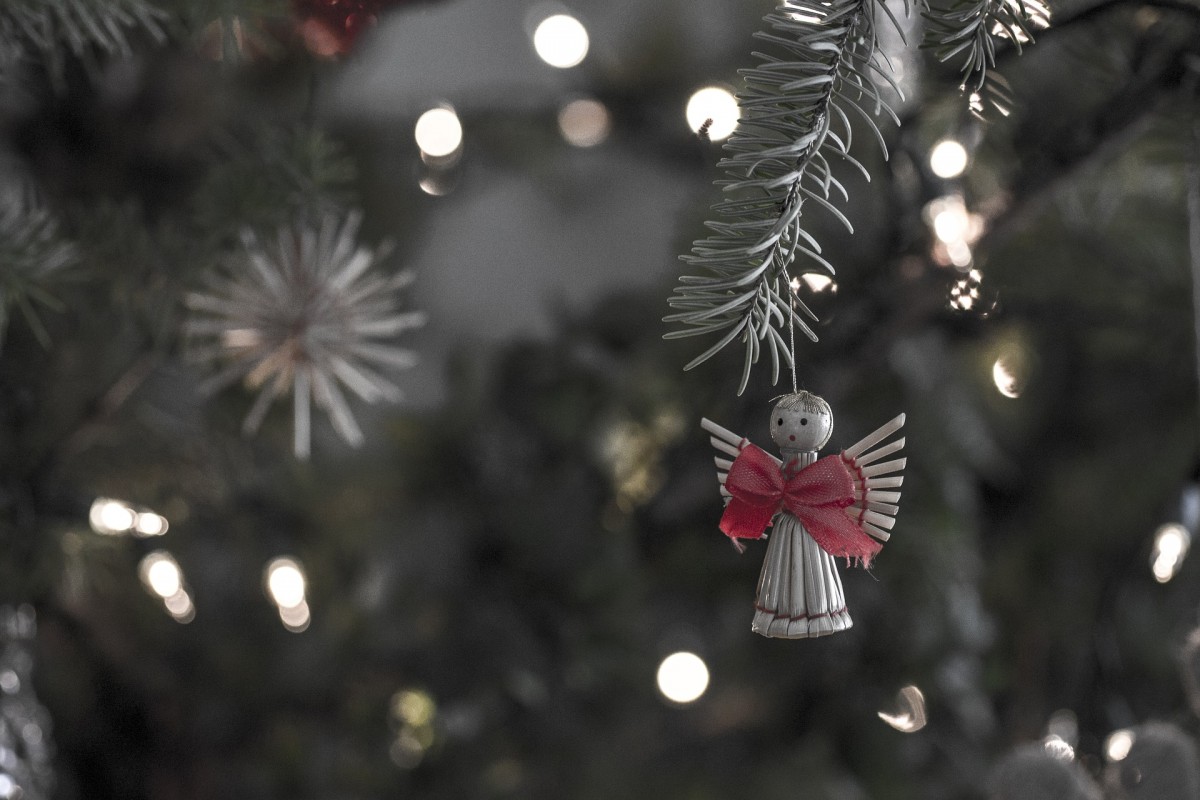
Many of today’s customs originated in the early Roman Empire as well and have carried through to the present, even though the historical significance is most often lost on today’s Americans. Christmas greenery is one example. Evergreens were used by the Romans because of the everlasting green of the branches. They were adopted by the Christians to symbolize life after death.

Trees were first decorated in 1605 in Strasbourg. These first trees were decorated with paper roses, red apples, white communion wafers, and candies. Candles were added in the late 17th century.

What’s Behind Our Christmas Traditions?
Many of our other traditions have equally fascinating backgrounds. One of the most intriguing is mistletoe, which has never been accepted by the church—seen instead as an evil “cure all” introduced by pagans. In Roman times, mistletoe was considered a cure for epilepsy and poisoning. In many cultures, enemies made peace under the mistletoe.
The tradition of kissing under the mistletoe originates from the English. “Kissing bunches” were formed of mistletoe, evergreens, apples, paper flowers, and dolls of the nativity, The kissing bunch was then hung up in the room for all to enjoy.
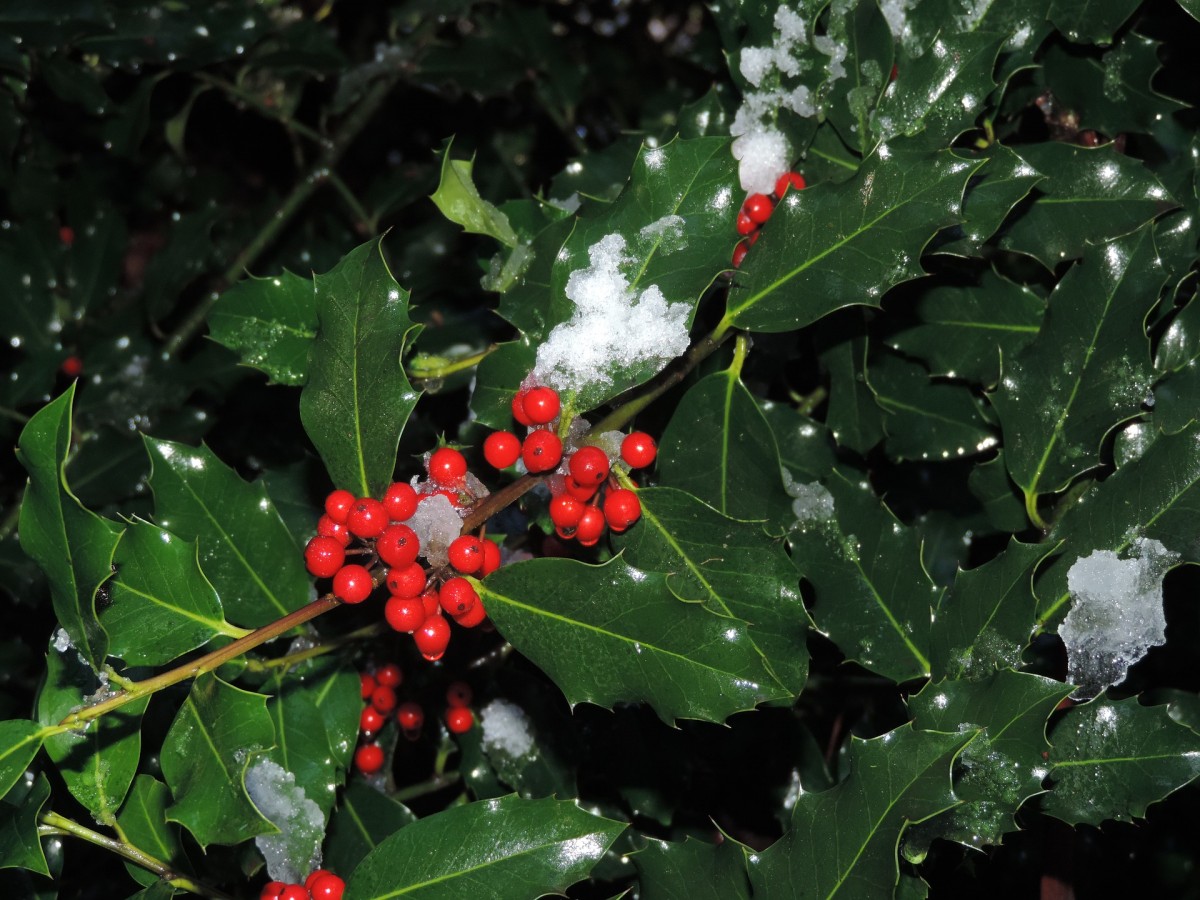
Holly, with its sharp thorns and blood-red berries, has come to symbolize Christ’s suffering. Long before Christianity, however, holly was said to protect the home.
The History of Santa Claus
Even Santa Claus has a fascinating history that goes beyond the buying frenzy which his legend today creates. Nicholas of Patara was a bishop during the fourth century and the patron saint of sailors. Saint Nicholas reportedly saved a poor man’s three daughters from a life of misery by providing a dowry for them. Thus, the legend of St. Nicholas, the bearer of gifts, was born. A more vivid story tells of a murderous innkeeper who killed three boys and dismembered their bodies. St. Nicholas pieced together the bodies, restored life to the three, and became the patron saint of children.
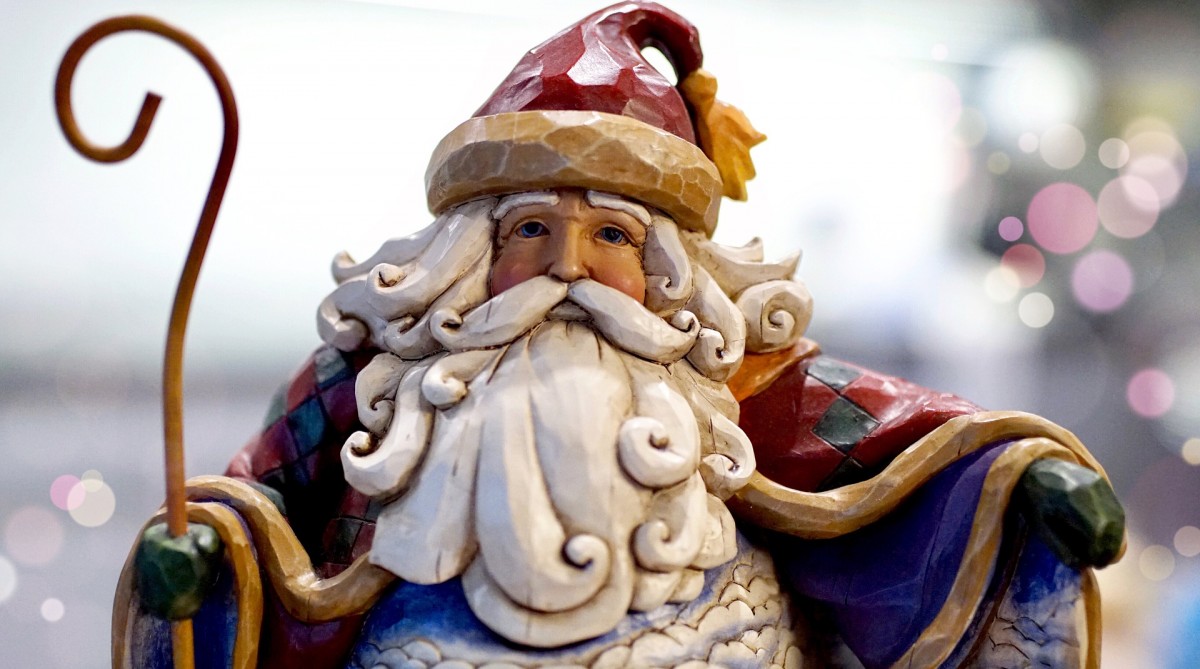
In 1823, Clement Moore’s poem, “A Visit from Saint Nicholas,” which is also known as “Twas the Night Before Christmas,” was released, popularizing Santa Claus across the US. The picture of our jolly American Santa Claus was drawn by Thomas Nast in a series of articles written for Harper’s Weekly between 1863 and 1886. In 1939, the modern-day creation of Rudolph, the red-nosed reindeer, was added to the story of Santa Claus, completing our American evolution of the symbolic character of Christmas cheer.
Peace on Earth
As the Christmas season approaches this year, Americans should reach back into the delightful pages of history to bring out an alternative to the rush and commercialization of Christmas. All of the traditions share a common thread since the earliest times—that of laughter, sharing, peace, goodwill, and compassion. It is these traditions that could once again replace the materialistic focus of the modern holiday.

0 Comments