
Planning a cold-weather escape? This cabin weekend packing list covers warm layers, outdoor gear, kitchen essentials, and cozy comforts for fall and winter stays.
A particular kind of quiet exists only at a cabin in the colder months. The smoke from the chimney, the first cup of coffee on a porch that is almost too cold to sit on, the sound of nothing at all after dark. Whether it is a rental in the Smoky Mountains, a lakeside place in the Adirondacks, or a state park cabin a couple of hours from home, a cabin weekend is one of my favorite ways to slow down once the leaves start to turn.
The catch is that cabins are not hotels. Some have everything down to a spice rack; others have a wood stove, four beds, and not much else. After more than a few weekends of forgetting the one thing I needed, this is the packing list I now use for every fall and winter cabin trip.
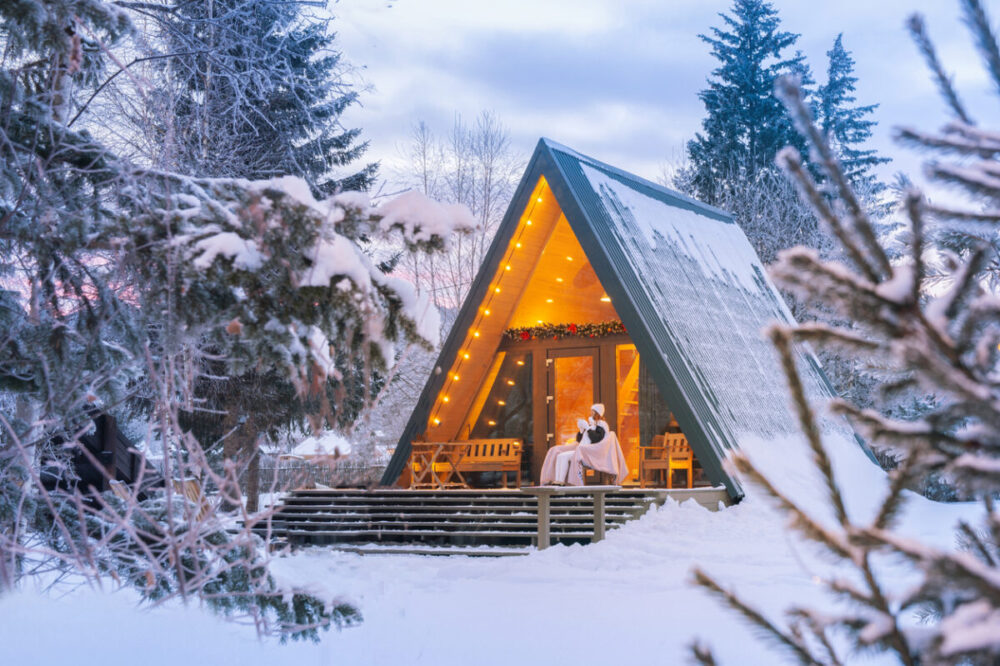
A woman drinks coffee or tea on a quiet evening in a house near the forest. Photo by Vladimir Razguliaev via iStock by Getty Images
Start With What the Cabin Does Not Have
Before you pack a thing, read the listing carefully or call ahead. Ask whether linens and towels are provided, what kind of heat the cabin has, whether there is a full kitchen, and how reliable the cell signal is. If you are booking a public cabin through Recreation.gov or a state park, assume the basics are minimal until you confirm otherwise.
That one step decides half your list. A cabin with a wood stove and no linens needs a very different bag than a luxury rental with a hot tub and a stocked coffee bar.
Layers for Cold Mornings and Colder Nights
Mountain and lake country can swing thirty degrees between afternoon and midnight in the fall, and cabins often heat unevenly. Pack as if you will be both warm and cold on the same day, because you will be.
- A warm base layer. Merino wool or a good synthetic base layer does double duty for hikes and for sleeping in a drafty room.
- A fleece or wool sweater. Something you can pull on over anything for porch coffee and stargazing.
- A packable puffer jacket. Light enough to stuff in a daypack, warm enough for a cold evening by the fire pit.
- Wool socks, and more of them than you think. Wet socks are the fastest way to ruin a cabin weekend. Bring an extra pair for every day.
- A beanie and light gloves. Even if the forecast looks mild, mountain mornings rarely are.

Pack as if you will be both warm and cold on the same day. Photo by Daniel de la Hoz via iStock by Getty Images
Sleep and Lounging Layers
This is the category most people underpack, and it makes or breaks a cabin weekend. You will spend far more time lounging than you expect: reading by the stove, playing cards after dinner, sitting outside wrapped up while the fire burns down.
Comfortable sleepwear. Choose something breathable. A cabin that feels cold at 10 p.m. can feel stuffy by 2 a.m. once the heat kicks in, and heavy flannel can leave you too hot.
A wearable layer for the porch and the fire pit. This has become my favorite cabin upgrade. Instead of juggling a blanket that slides off every time you reach for a mug, a couple of sleep sacks for adults that you can zip into and walk around in make campfire nights and cold porch mornings much more comfortable. They pack flat, double as an extra warm layer for anyone who runs cold at night, and look a lot less silly than you might expect.
Slippers or camp shoes. Cabin floors are cold, and you will want something easy to slip on for trips to the woodpile.
A small throw or travel blanket. Useful for the drive, for the porch swing, and for the one guest who always gets cold.
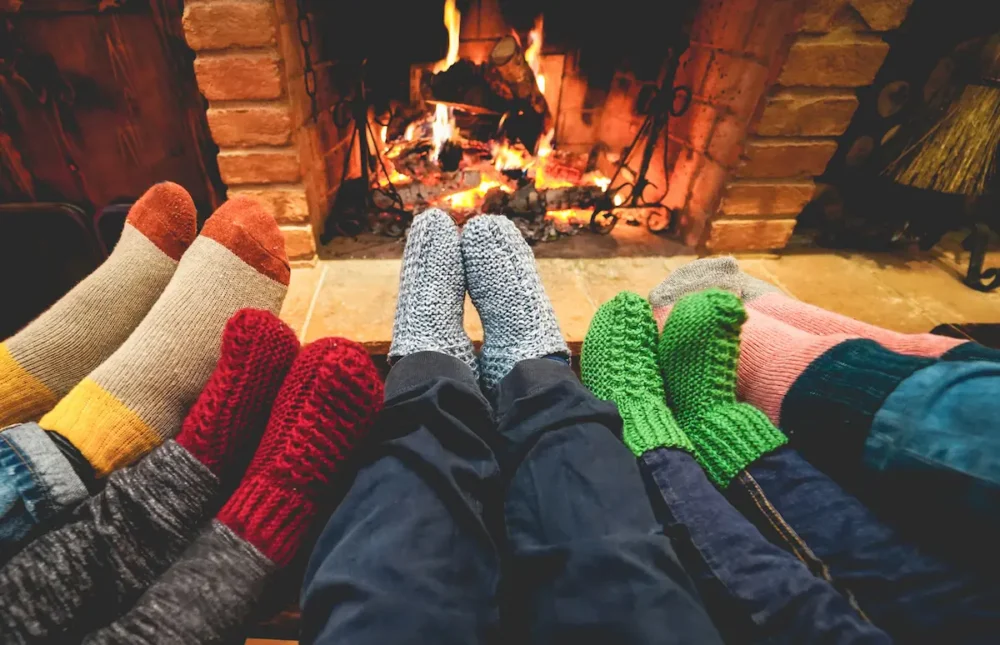
Photo by DisobeyArt courtesy of iStock via Getty Images
The Cabin Kitchen Kit
Even well-equipped cabins often miss a few things. I keep a small bin packed and ready, so I do not have to think about it.
- A sharp knife and a small cutting board. Rental knives are almost always dull.
- Coffee, done properly. A pour-over cone or a small French press, filters, and good ground coffee. Morning coffee on the porch is half the point of the trip.
- Oil, salt, pepper, and a favorite spice blend. Small containers save you from buying full-size bottles you will leave behind.
- Aluminum foil and zip-top bags. For leftovers, campfire potatoes, and packing out trash.
Ingredients for one easy, warming dinner. A pot of chili, a hearty stew, or a simple pasta you can make with minimal equipment. Add the makings of s’mores or a bottle of something for a hot toddy by the fire.
Gear for Getting Outside
The best cabins put you close to trails, water, and big skies, so bring what you need to enjoy them.
- Waterproof hiking boots. Fall trails are often wet with leaves and mud.
- A headlamp for everyone. Cabin paths are dark, and a phone flashlight is not a substitute.
- A daypack with water bottles and snacks. For short hikes and longer walks to a lookout.
- Binoculars and a star chart app. Far from city lights, the night sky is often the trip’s highlight.
Matches or a lighter and a fire starter. Even if the cabin says it provides firewood, it may not include kindling.

Photo by monkeybusinessimages via iStock by Getty Images
Little Comforts That Make It Feel Like a Getaway
The difference between a trip and a getaway usually comes down to a few small things you almost left at home.
- A deck of cards or a travel board game. Evenings are long in the colder months, and a game fills them better than a screen.
- A good book and a small reading light. Cabin lighting is not always designed for reading.
- A portable speaker. A little music while you cook makes any cabin feel like yours.
- A downloaded map and a few offline playlists. Signal can disappear the moment you turn onto the gravel road.
Slow Down and Enjoy It
A good cabin weekend is not about doing a lot. It is about doing very little, comfortably. Pack the layers, bring the coffee, leave room in the car for something cozy to wear by the fire, and let the quiet do the rest. By the time you are sitting on the porch on the last morning, you will already be planning the next one.
.

0 Comments